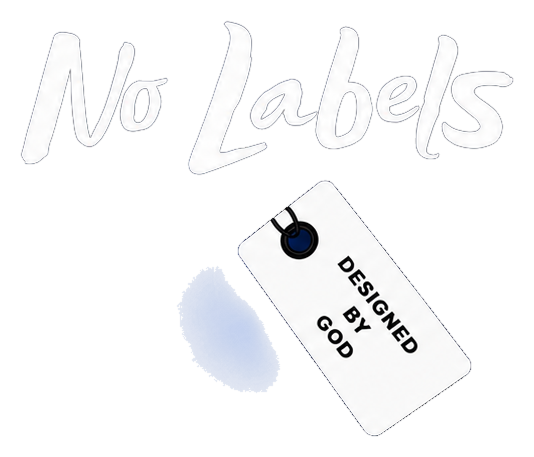
Big Question
Why did God make me?
You may not know everything God will ask you to do when you grow up. That is okay. The Bible gives us something even more important to know first: who made you, why every person has dignity, and how you can live faithfully today.
Big Truth
God made people in His image, knows us with care, and calls His people to live lives that reflect His goodness.
Your worth is not a prize you win. It does not increase when you succeed or disappear when you make a mistake.
Start Here
Look closely.
Look at the lines on one of your fingertips. No one had to draw those lines with a pen. Your body grew with tiny details you usually do not even notice.
Now think about all the things that make people different: voices, faces, abilities, personalities, cultures, families, interests, strengths, challenges, and ways of learning.
Different does not mean less valuable.
Open Your Bible
Read these passages.
- Genesis 1:26–27 — Notice what is special about human beings in God’s creation.
- Psalm 139:13–14 — Notice how the writer talks about God’s care in forming human life.
- Ephesians 2:8–10 — Notice the order: grace comes before good works.
1
You are made in God’s image.
Genesis says God made human beings in His image. That does not mean God has the same kind of body we do, and it does not mean people are little gods.
It means every human life has special God-given dignity. People are made to know God, represent His good rule in the world, care for creation, build relationships, make meaningful choices, create, work, love, and live responsibly before Him.
That means the child who gets picked first and the child who gets picked last both matter. The child who learns quickly and the child who needs more time both matter. A person with a disability and a person without one both bear God-given dignity.
How would your classroom, team, family, or church look different if everyone remembered that every person has God-given dignity?
2
God knows you with care.
Psalm 139 celebrates how completely God knows the writer. God’s knowledge is much deeper than knowing someone’s name or favorite food.
God knows what is happening inside us too. We do not have to impress Him by pretending we never feel afraid, jealous, confused, left out, angry, or unsure.
Being known by God does not mean every choice we make is right. It means we can tell Him the truth. When we sin, we can confess it. When we hurt, we can pray honestly. When we do not understand something, we can ask questions.
God is not fooled by a perfect-looking version of you, and you do not need to build one for Him.
3
Your worth is not a contest.
It is easy to compare ourselves with other people.
- “They are better at sports than me.”
- “They have more friends.”
- “They get better grades.”
- “They are taller, funnier, stronger, faster, or more talented.”
Some of those differences are real. But differences in skill are not differences in human worth.
You can celebrate someone else’s gift without deciding that you matter less. You can work hard to improve without believing you must become the best before you are valuable.
Skills can grow. Awards can come and go. Popularity can change. God-given dignity is not something another person can win away from you.
4
Purpose is bigger than your future job.
When adults ask children, “What do you want to be when you grow up?” they usually mean a job. Jobs can be important, but your purpose is bigger than a career.
Ephesians 2 says salvation is God’s gift of grace, not something people earn by doing enough good things. Then it says those who belong to Christ are created for good works.
That order matters. We do not do good things to make God owe us love. Good works grow from grace.
You can live with purpose now by telling the truth, showing kindness, learning wisdom, helping someone, including a lonely person, caring for what God has made, apologizing when you are wrong, praying, serving, and using your abilities to bless others.
Put the pieces together
Made by God does not mean “I am the center.”
Knowing that God made you on purpose should not make you think you are more important than everyone else. The same truth that gives you dignity gives dignity to your neighbor too.
God-given identity leads us away from both shame and pride. We do not have to say, “I am worthless,” and we do not have to say, “I am better than everyone.” We can say, “God made us, and I want my life to honor Him and love others.”
Let’s Think About It
Check what you understood.
Does being made in God’s image mean people are little gods?
No. It means human beings have God-given dignity and are made to represent His good purposes in creation.Do better grades, more friends, or stronger skills make someone more valuable as a person?
No. Abilities differ, but human dignity does not come from performance.Do Christians do good works so God will finally love them?
No. Ephesians 2 teaches grace first. Good works are a response to God’s grace, not a way to purchase it.Talk About It
Questions for a child and trusted adult.
- What is one thing from Genesis 1:26–27 that stood out to you?
- Where do children your age feel the most pressure to compare themselves?
- What is something you enjoy or are learning to do?
- How can you celebrate someone else’s ability without putting yourself down?
- What is one good thing you can do this week because you belong to God, not because you are trying to prove your worth?
Try It This Week
Go on a purpose hunt.
Look for one small good work you can do each day. Do not choose it because you want people to clap for you. Choose it because loving God and loving people matters.
- Encourage someone who seems left out.
- Help at home before being asked a second time.
- Tell the truth even when it is uncomfortable.
- Thank someone whose work often goes unnoticed.
- Care for something God made.
- Use one ability to help instead of showing off.
At the end of the week: Ask, “Which action helped me think less about proving myself and more about loving God and people?”
Memory Verse
Genesis 1:27
Read Genesis 1:27 in your preferred Bible translation. Practice saying the verse slowly enough to remember its main truth: God created human beings in His image.
Prayer
Talk to God.
God, thank You for making people in Your image and giving every person dignity. Help me stop measuring my worth by popularity, grades, appearance, sports, talents, or what other people think.
Thank You for knowing me. Help me tell You the truth about my fears, mistakes, questions, and hopes.
Teach me to use what You have given me to love people, serve faithfully, and do what is right. Help me see other people as valuable too.
In Jesus’ name, amen.
Parent / Teacher Note
Help the child receive dignity without turning identity into self-centeredness.
Main objective: Help children understand that human worth begins with being made in God’s image, not with performance, appearance, popularity, ability, family status, or comparison.
Keep these distinctions clear
- Image of God: applies to every human being and grounds human dignity.
- Psalm 139: celebrates God’s knowledge and care; do not use it to claim every painful event was individually designed by God for a lesson.
- Ephesians 2:8–10: teaches grace before works. Avoid implying that good behavior earns salvation or God’s love.
- Purpose: is not the same as predicting a child’s future career, marriage, ministry role, athletic ability, academic success, or public influence.
Listen without forcing disclosure
Comparison questions may surface bullying, body-image concerns, learning struggles, disability, family stress, or exclusion. A child may answer generally and does not need to explain private experiences to participate.
If a child says someone is hurting them, they are unsafe, or they may hurt themselves or another person, follow your church, school, ministry, or organization’s safeguarding procedures and applicable reporting requirements. Do not promise secrecy you cannot keep.
Suggested closing question
“What is one truth from this study you want me to help you remember this week?”
This study does not ask children to create an account or submit personal information, notes, prayer requests, names, ages, schools, locations, photos, or contact details.